
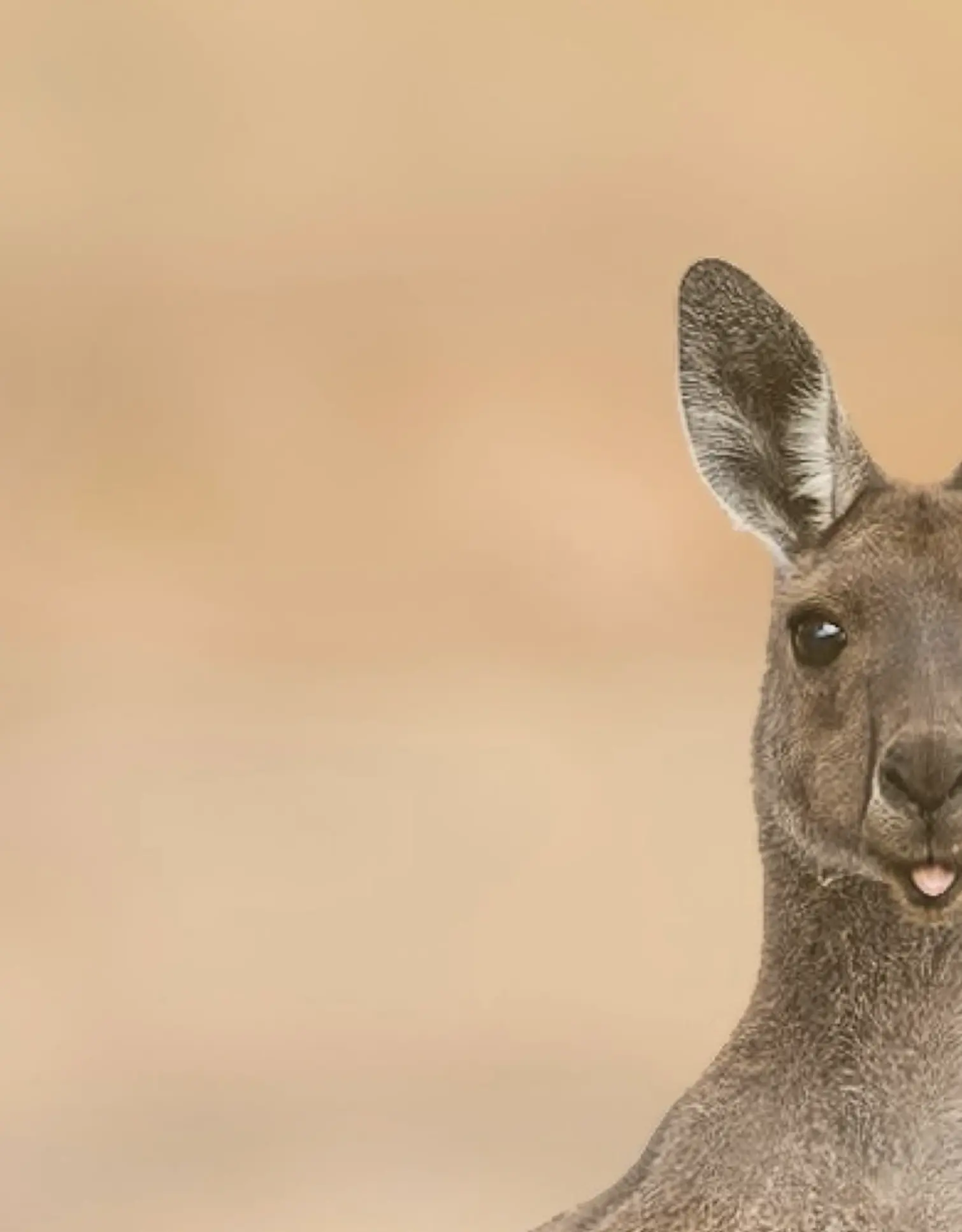
If you’ve made the trek out to Uluru, chances are you’re hoping to see more than just the mighty rock itself. Maybe you’re dreaming of that classic Aussie postcard moment — a kangaroo hopping across the red dirt at sunset. But here’s the truth from someone who’s done their fair share of waiting quietly behind spinifex: kangaroo sightings around Uluru do happen, but they’re a bit like winning a meat tray at the pub — possible, but not guaranteed.
So, can you see kangaroos on your Uluru tour? Yes — but you’ll need a bit of luck, local know-how, and a keen eye. I’ve pulled together everything you need to know to improve your chances (plus what else you might see while you’re out there).
Kangaroos You Can Spot
Uluru and the surrounding desert landscapes are home to a few different kangaroo species, including:
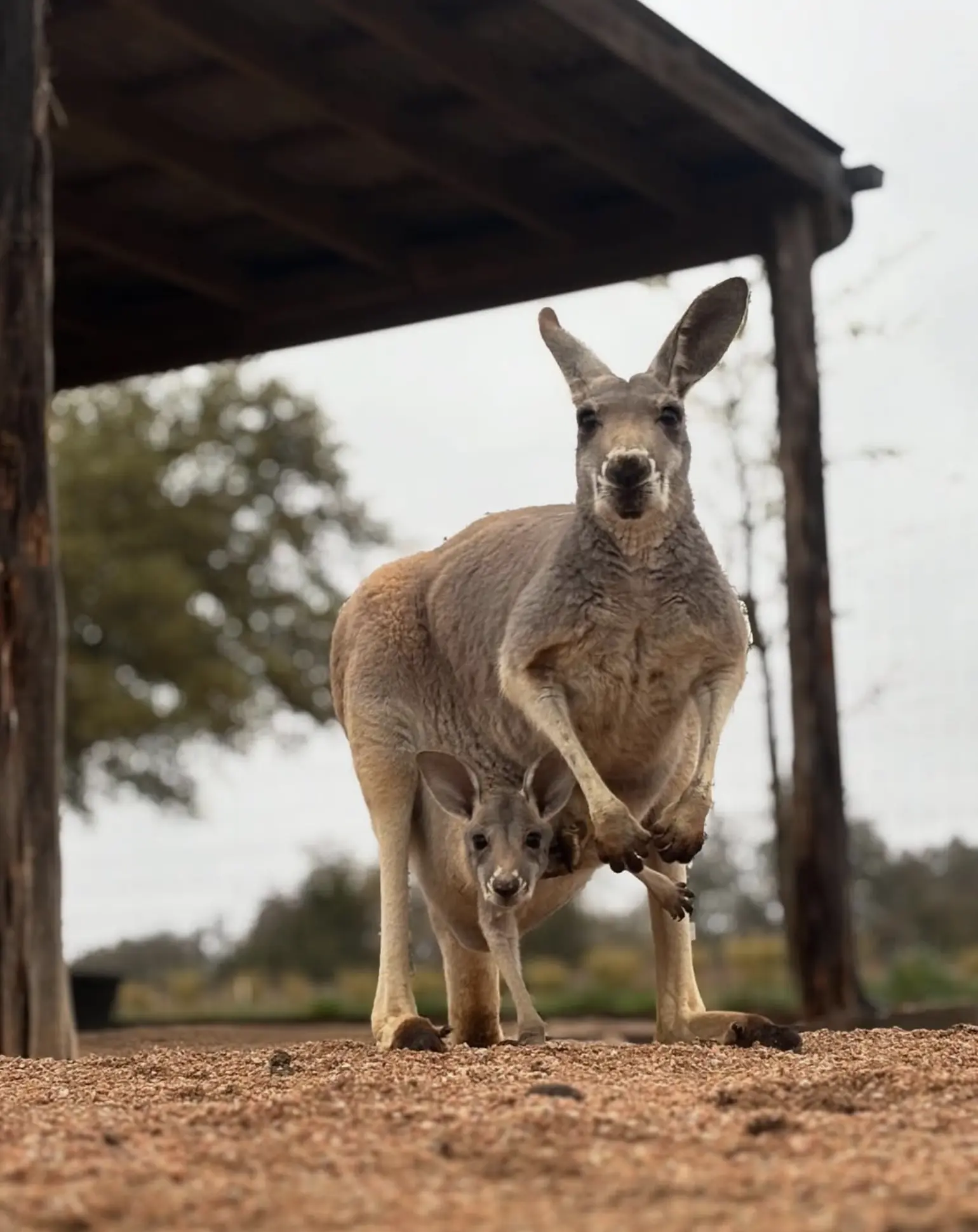
- Red kangaroo (Macropus rufus): The big fellas. Males can stand over 2 metres tall and are the most commonly spotted in open desert areas like those around Uluru.
- Euro (common wallaroo): These are stocky, shaggy-looking kangaroos that like rocky outcrops and gullies — common near Kata Tjuta.
- Black-flanked rock-wallaby: Rare and shy, but sometimes seen in the more rugged areas if you’re hiking with a guide.
These wild kangaroos live in their natural habitat, part of the vast cultural landscapes protected in Uluru-Kata Tjuta National Park.
Fun fact: Despite their name, wallaroos are actually just mid-sized kangaroos — not quite as big as a red roo, not as tiny as a wallaby. Adult kangaroos can cover great distances in search of food and shelter, making sightings a lucky surprise for visitors on tours.
Where and When to Watch Kangaroos
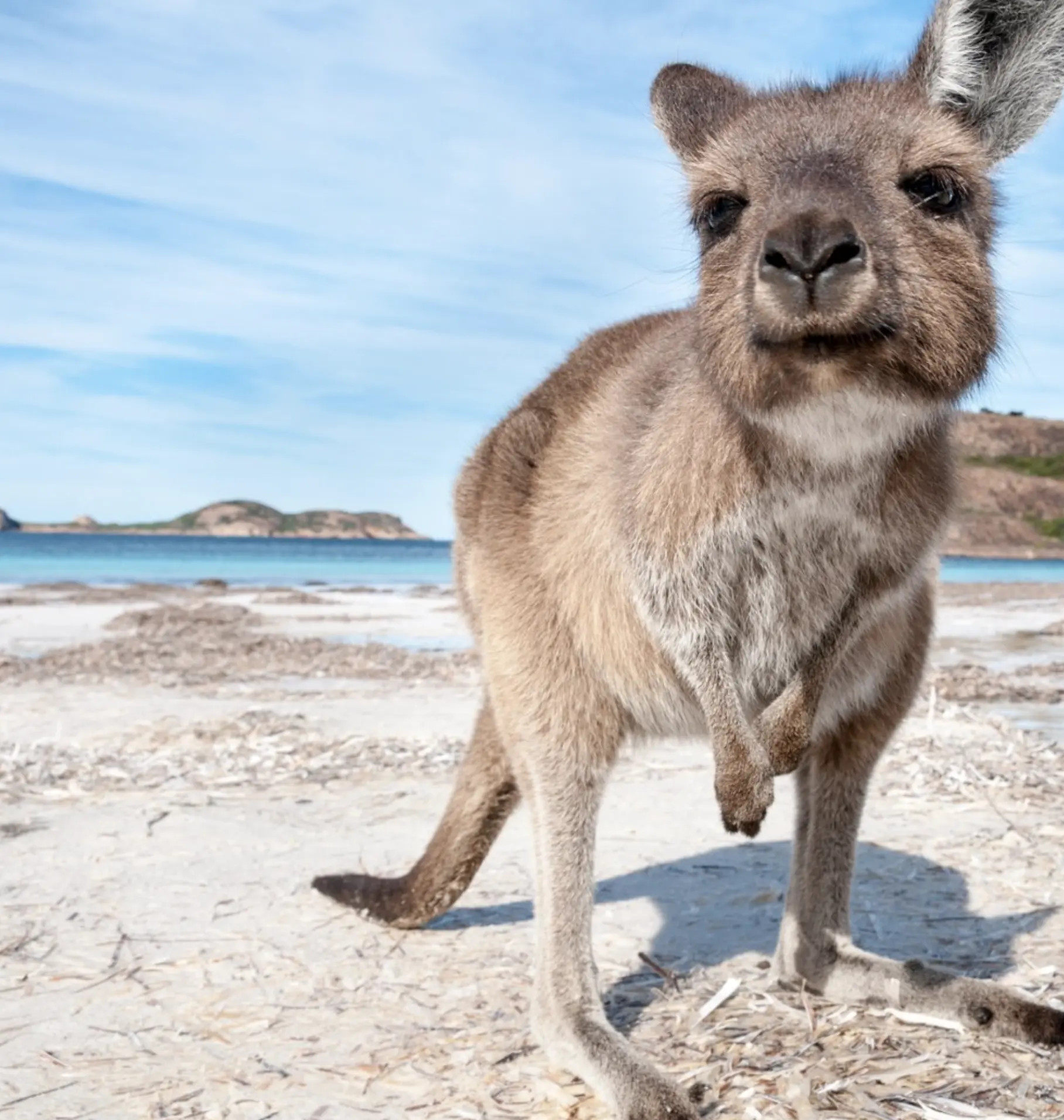
Your best chance of spotting kangaroos at Uluru is early in the morning or around dusk. During the heat of the day, most roos will be tucked away in the shade conserving energy.
Here’s where to go wildlife-watching:
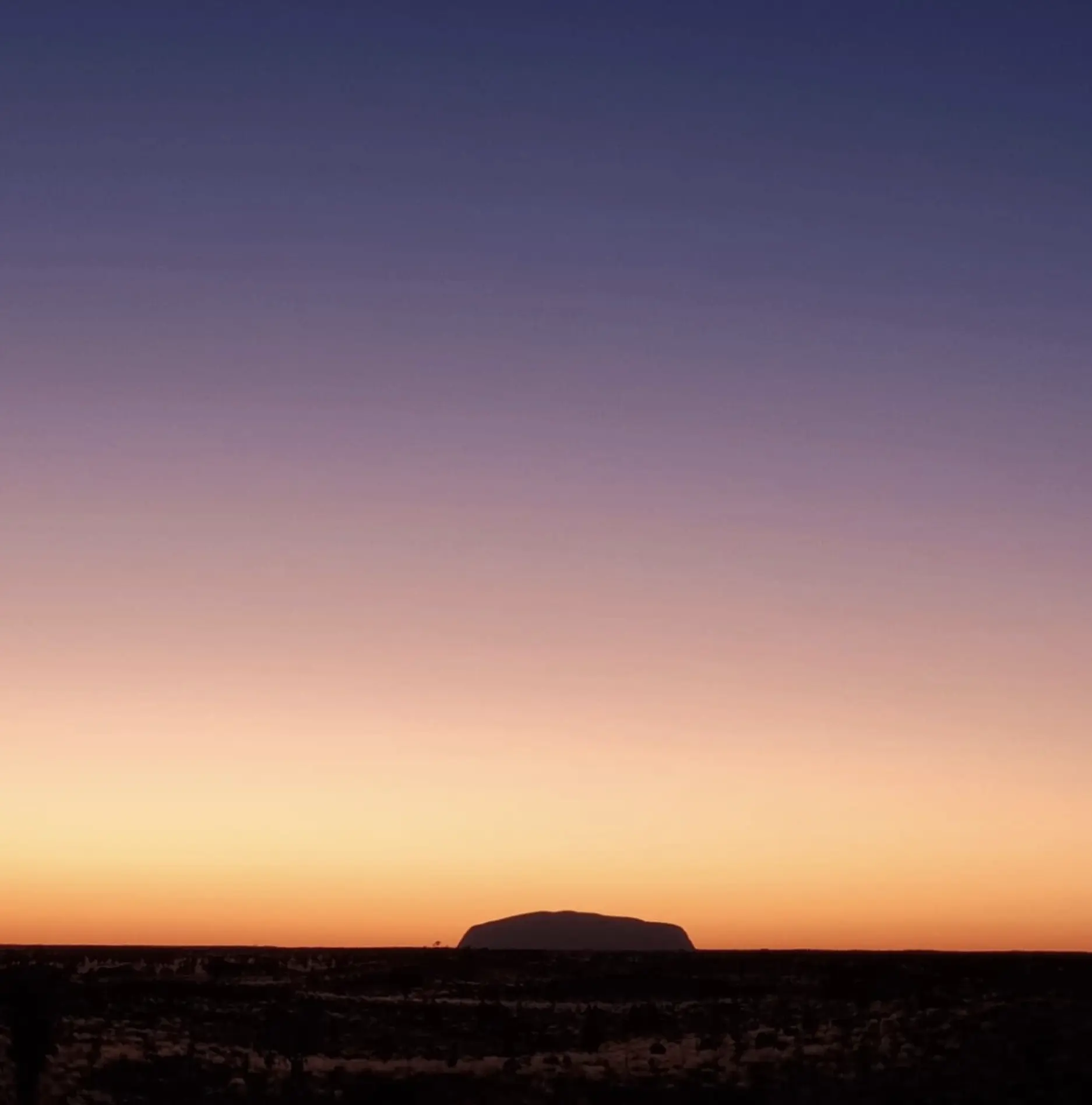
Around Uluru Base Walk (early morning or dusk)
- This 10.6 km loop is not just culturally significant — it’s also a prime area for kangaroo spotting.
- Keep an eye out for the spinifex grass and mulga woodlands, where kangaroos move through the desert oaks and bush scrub.
Near Kata Tjuta (especially Walpa Gorge)
- Euoros and wallaroos love the rocky terrain of this iconic rock formation.
- Less tourist traffic means animals are slightly less wary.
Mutitjulu Waterhole
- This semi-permanent water source attracts birds and mammals during dry spells. It’s also a great spot to capture photos of kangaroos in their natural habitat.
Talinguru Nyakunytjaku viewing area
- Great at sunrise for views and wildlife movement. Also one of the most beautiful spots to appreciate the desert landscape.
What else can you spot besides kangaroos?
If the kangaroos are giving you the cold shoulder, don’t worry — Uluru’s desert ecosystem is full of other characters:
- Perentie lizards: Australia’s largest goanna — they can grow over 2 metres long.
- Dingoes: Often heard howling at night near campgrounds and tourist park areas.
- Spinifex hopping mice: Nocturnal cuties that leave tracks in the sand.
- Over 170 species of birds: Look for zebra finches, wedge-tailed eagles, and the striking pink Major Mitchell’s cockatoo — one of the popular species that call this place home.
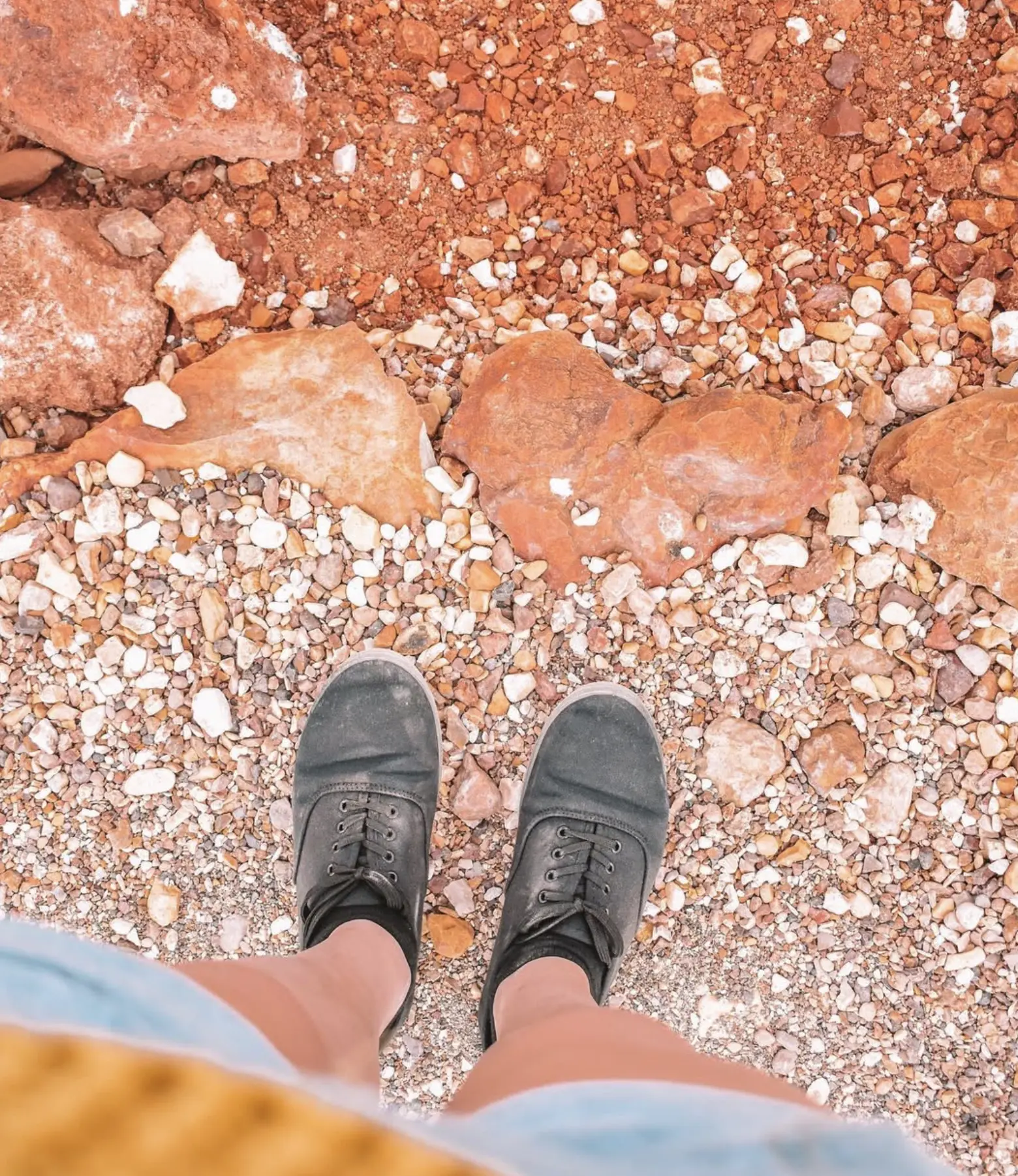
Local tip: Don’t feed wildlife (seriously)
I know it’s tempting, but chucking a bit of sandwich crust to a dingo or kangaroo can really mess with their health and behaviour. Plus, feeding wildlife is illegal in the park and can lead to fines. If you want a close encounter, go with a licensed guide who knows how to do it ethically. 2-day Uluru Tour include wildlife education and traditional bush knowledge.
Is Uluru a good place to see kangaroos?
Compared to places like Kangaroo Island or the Flinders Ranges, Uluru isn’t a top hotspot for kangaroo mobs — but the landscape makes every sighting feel that little bit more magical. Seeing a single red roo bounding across the dunes at golden hour? Unbeatable.
You’re in their territory, after all, so stay patient, tread quietly, and respect the space. The rock formation itself, along with the surrounding country, holds spiritual significance for the traditional landowners, the Anangu people.
Plan your trip right
Best time of year
- Winter (May–August): Cool mornings make for comfortable hikes and more wildlife movement.
- Shoulder seasons (April & September): Still great — just keep an eye out for flies and rising temps.
- Avoid peak summer (Dec–Feb): Too hot for long walks and the animals agree.
What to pack for wildlife spotting
- Binoculars
- Fly net (trust me)
- Refillable water bottle (you’ll need lots of water out here!)
- Long sleeves (sun and mozzie protection)
- Decent walking shoes
- Red torch for night walks (doesn’t spook animals)
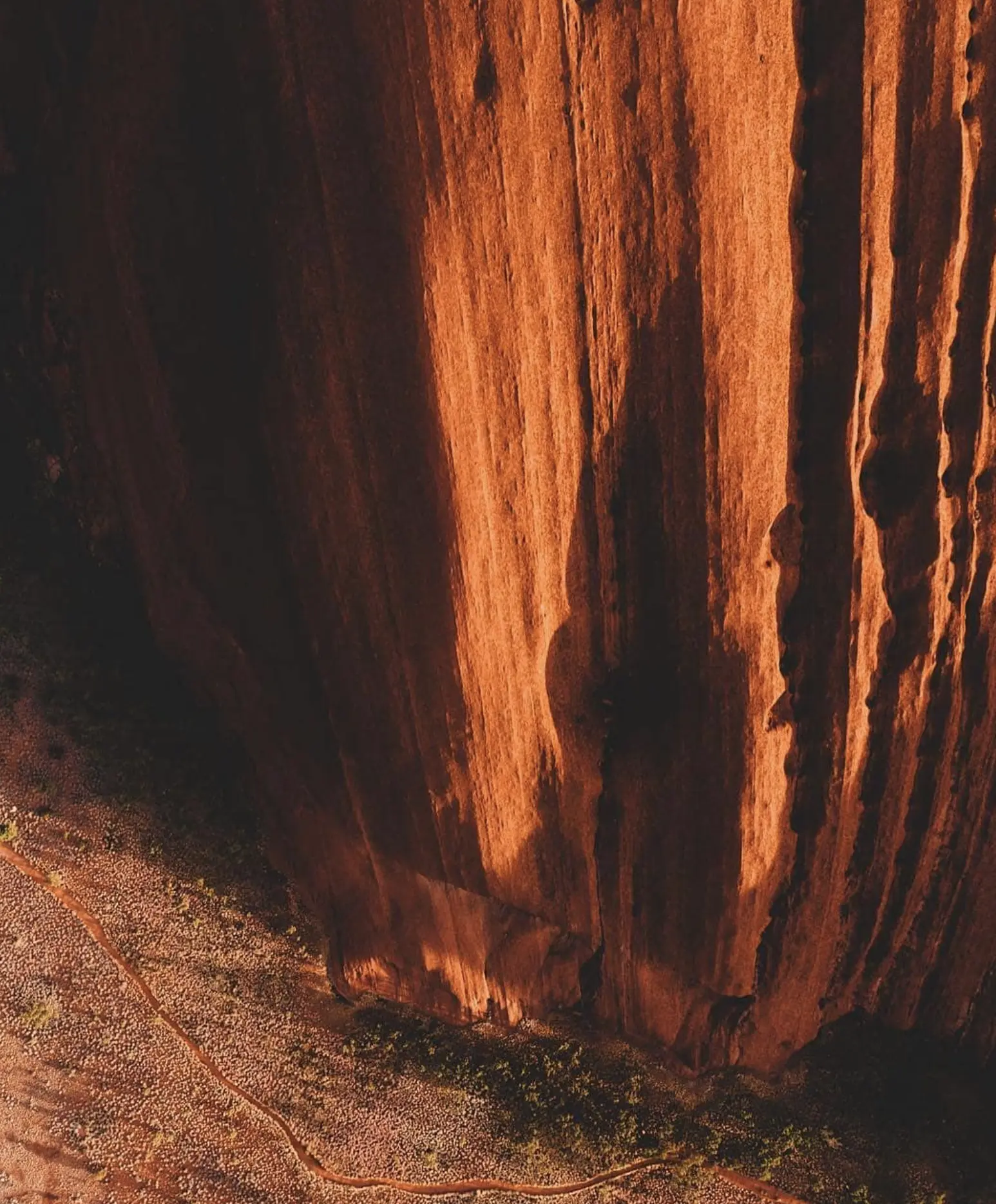
Ethical ways to see kangaroos
If you don’t manage a wild sighting, you’ve still got some excellent, low-impact options:
- Join a guided walk or sunrise tours from Alice Springs to Uluru. We run small-group tours that often include sunrise wildlife spotting before heading to cultural sites. You can book tours that focus on nature, storylines from the land, and animal behaviour.
- Visit the local Cultural Centre. It won’t show you a roo in the wild, but it’ll deepen your understanding of how kangaroos fit into Anangu culture and Tjukurpa.
And don’t forget to explore accommodation options in nearby Yulara — a short hour drive from Uluru, and a good base for any day trip or longer Aussie adventure.
Final word from the track
If you come out here expecting a zoo, you’ll be disappointed. But if you come with curiosity, patience, and a respect for Country, spotting a red kangaroo in the wild near Uluru might just become the moment you remember most. Bring your camera — but also bring your sense of awe.
Got a kangaroo tip or story from the Red Centre? Share it in the comments — I’m always keen to update my tracks.
Whether you’re planning a full-on Australian trip or Uluru tour from Alice Springs, the chance to witness wildlife alongside one of the world’s most iconic rock formations makes every moment out here unforgettable.
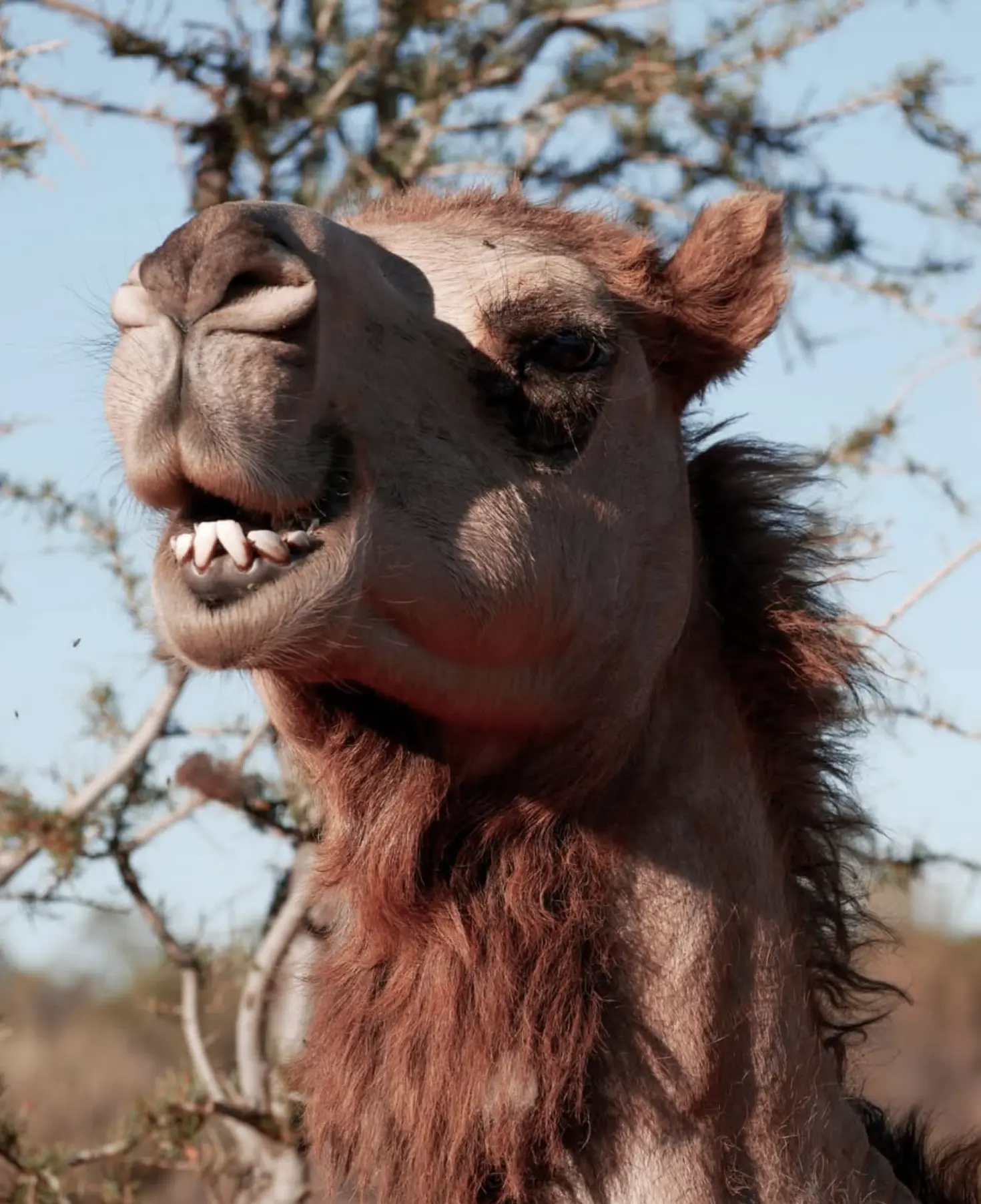
FAQ
Are there kangaroos at Uluru?
Yes — mostly red kangaroos and euros. They’re shy and best seen early or late in the day.
What’s the best time to see kangaroos near Uluru?
At dawn or dusk when it’s cooler. Summer days are too hot for them to be active.
Can I get close to a kangaroo at Uluru?
You might spot one near a track, but don’t approach. Wild roos can be unpredictable.
Where should I look for kangaroos in the park?
Try the Uluru Base Walk, Mutitjulu Waterhole, and Walpa Gorge near Kata Tjuta.
Are there kangaroo tours at Uluru?
Not specifically, but wildlife is often seen on guided cultural or sunrise Uluru tours. Visitors on tours regularly spot kangaroos near the dunes and bush scrub.