
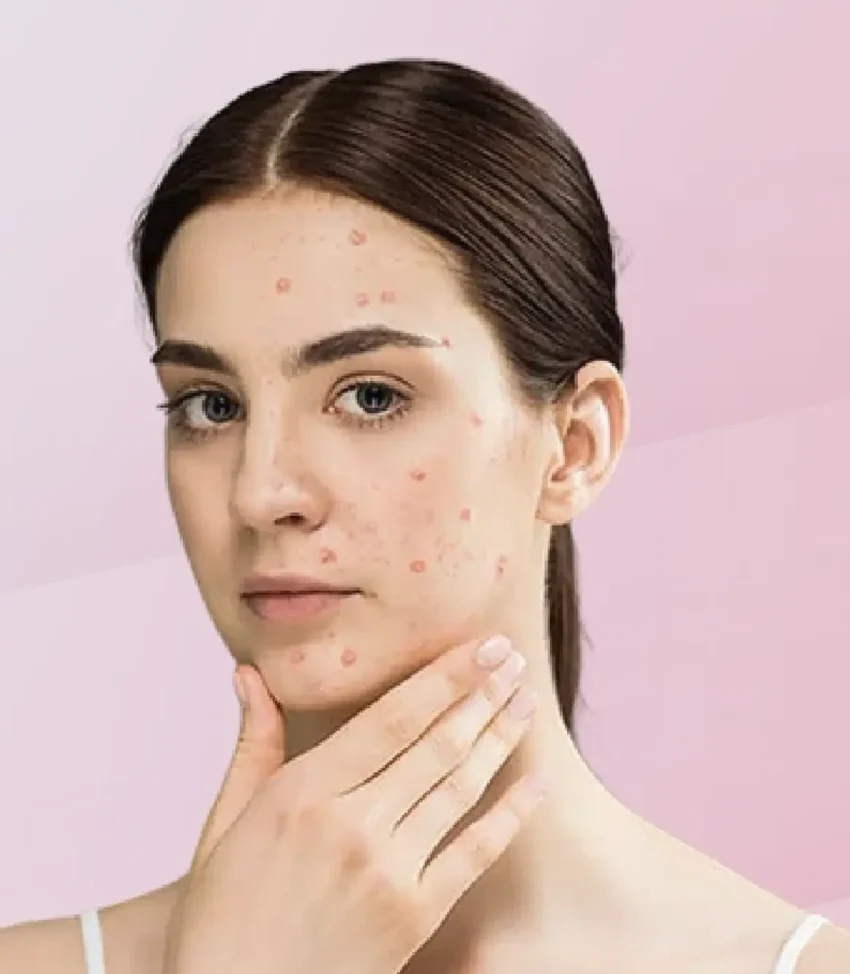
As someone who’s been through the wringer with hormonal breakouts myself, I get asked the question “how do I treat hormonal acne with over-the-counter products?” all the time at The Facial Hub. The truth is, hormonal changes can completely flip your skin’s script – messing with oil production, skin cell turnover, inflammation, and even how your hair follicles behave, which is basically why some breakouts just seem to pop up out of nowhere.
Hi, I’m Sevine Forster, The Facial Hub in Brisbane. I’ve spent years working with clients who’ve been trying to get a handle on everything from mild congestion to nasty cystic acne – let me tell you, I know exactly how overwhelming all the different treatment options can feel. Whether you’re after a gentle daily routine or are curious about in-clinic treatments like laser carbon peels, you’re in the right place.
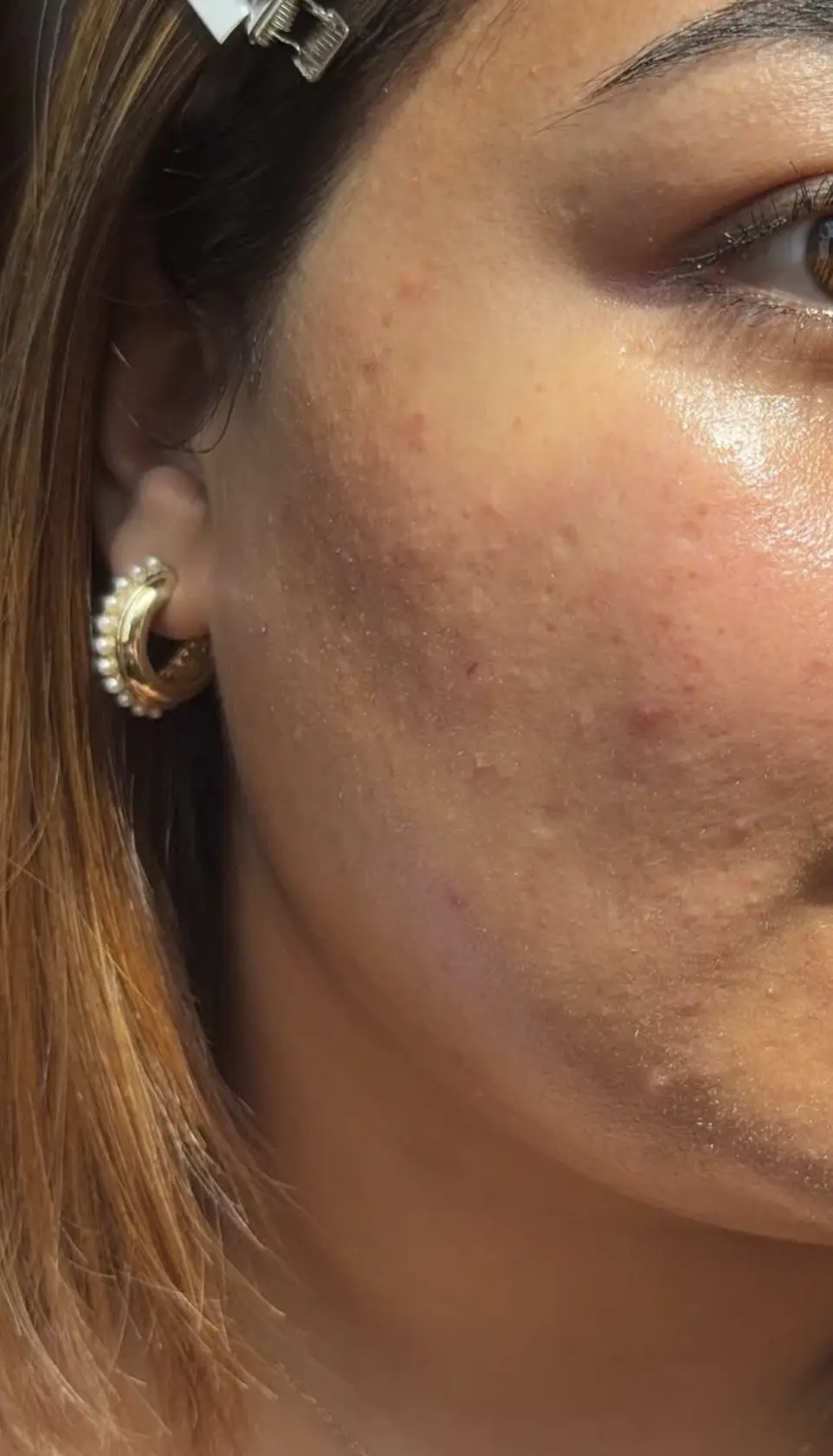
The Ingredients That Actually Work for Stubborn Breakouts
One thing I always tell my clients is that good skincare should work with your skin, not try to strong-arm it into submission. The key to results is understanding which ingredients can actually calm inflammation, clear clogged pores, and generally help keep your skin in balance.
Salicylic Acid for Deep Pore Debris Clearing
Salicylic acid does a great job of dissolving excess oil and gently lifting dead skin cells from your pores, which helps prevent congestion from becoming deeper problems like nodular acne. I often recommend combining this with some of our more calming treatments, like relaxing facials at The Facial Hub, for clients dealing with super-sensitive hormonal breakouts.
Benzoyl Peroxide for Red, Angry Spowell-formulatedthe
lated benzoyl peroxide product (which might be labelled benzyl peroxide) is great for reducing inflammation and keeping the bacteria that cause breakouts under control – a godsend for clients who are struggling with painful cystic acne. I’ve also seen it help clients reduce the length of their breakouts when they start using it as part of their existing routine.
Niacinamide for Redness and Barrier Support
Niacinamide is brilliant at regulating oil, reducing redness and calming down irritation. For clients who have recently stopped taking oral antibiotics or are dealing with hormonal changes because of the contraceptive pill, this ingredient can offer a bit of stability when the skin is going through a rough time.
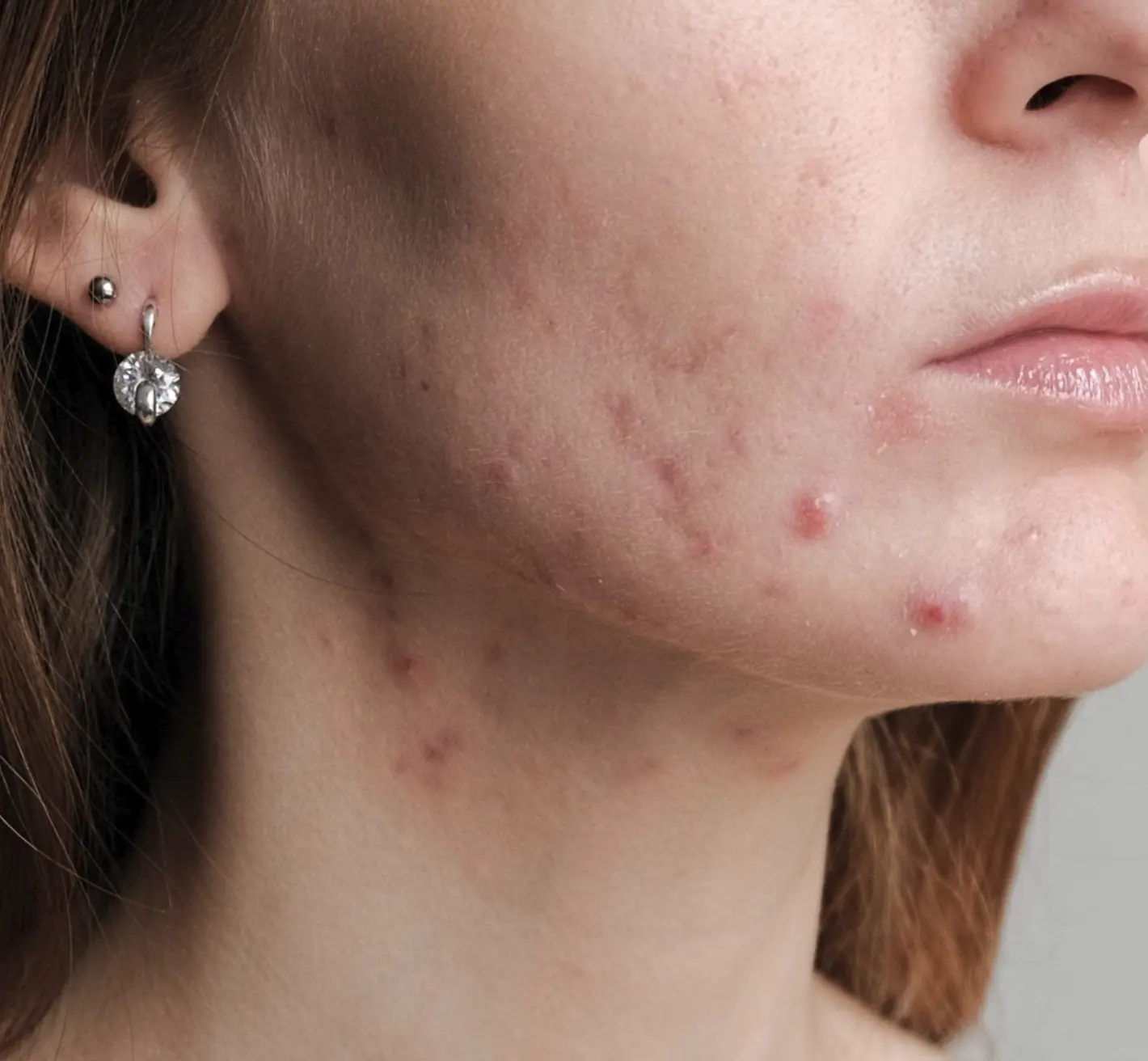
OTC Retinoids for Long-Term Acne Correction
OTC topical retinoids, like adapalene gel or some of the gentler alternatives to tretinoin cream, are great at helping regulate how quickly skin cells turn over and at stopping clogged pores from forming. When you pair this with the right aftercare (like hydrafacial in Brisbane).
A Simple, Sustainable Routine You Can Start Today
We all know by now that overcomplicating things usually ends in disaster – especially when it comes to skin care. Your skin is a delicate beast that prefers stability over steady changes. Keeping things simple is key.
Step 1: Use a Gentle, Effective Cleanser
A nice foam or a gentle Salicylic acid wash is great for getting rid of excess oil without stripping your skin bare. Remember, overwashing can really trigger or worsen acne, especially Fungal Acne, so just keep it simple and gentle.
Step 2: Add One Active at a Time
You know the drill with all these fancy products – let’s not try to introduce Benzoyl Peroxide, Retinoids & Exfoliants all at the same time (it’s just an accident waiting to happen), let’s take it one at a time, and let’s give each new product a fair chance to see whether or not your skin likes it.
Step 3: Hydrate Consistently
Yeah, I know, we all think Moisturiser is gonna clog pores, but a non-comedogenic formula keeps oil at bay, which in turn helps to prevent deep cysts & helps you to stay cool should you need to use those stronger topical treatments.
Step 4: Prioritise Daily Sun Protection
You’d be amazed at how many people forget to slap some sunscreen on every single day. Still, it can’t be stressed enough that UV does nothing good for your skin – it’s basically like rubbing salt into the wounds of any pigmentation, slows down the healing process & makes post-acne marks worse & worse. If you plan on getting any laser carbon peels in the future, then Sunscreen should be your best friend.
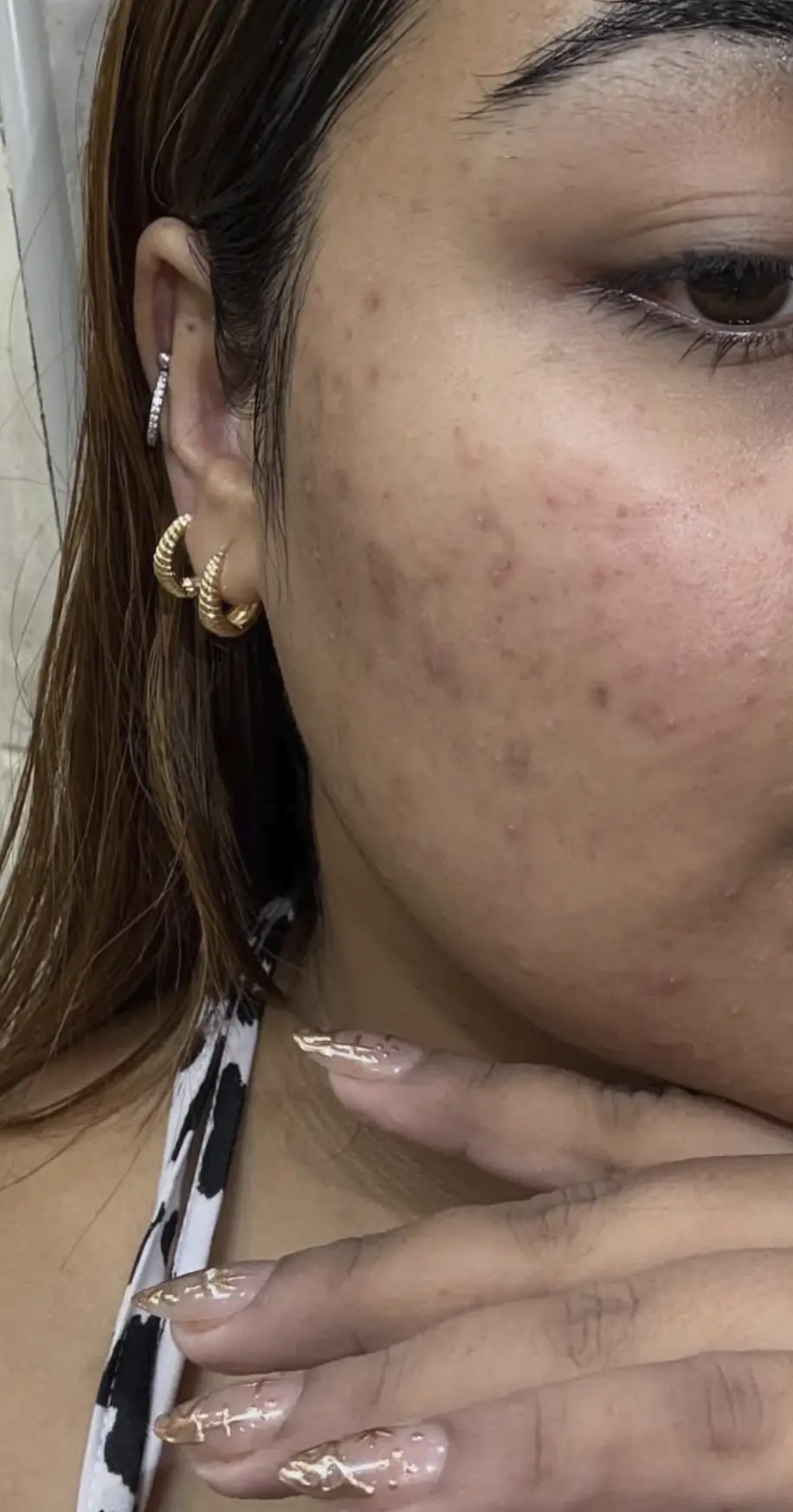
OTC Ingredient Comparison Table (2026 Data)
| Ingredient | What It Helps With | Strength / Risk | 2026 Usage Trend |
|---|---|---|---|
| Salicylic Acid | Congestion, blocked follicles | Low irritation | ↑ 32% rise in use |
| Benzoyl Peroxide | Inflamed pimples, cysts | Drying; bleaching risk | Stable clinical use |
| Niacinamide | Redness, sensitivity | Very low irritation | ↑ 46% increase in popularity |
| OTC Retinoids | Acne prevention, smoothing scars | Requires slow introduction | ↑ Higher adoption among adults |
What Not To Do When Managing Breakouts At Home
After almost two decades of helping people with their skin, I’ve learned a thing or two about what makes a difference – and what just ends up making things worse.
Avoid Constant Product Switching
You know how hormonal acne can go through ups and downs? If you don’t stick with a product long enough, it’s stillnever going to figure out whether it works or if you changed too soon to really tell.
Skip the Harsh Scrubs and Alcohol Toners
All they really do is make your skin all red and inflamed – and then it takes much longer to heal. I once had a client come in who’d been exfoliating daily with a rough scrub – it took her four weeks on a calm skin routine and maybe a few sessions with some LED treatment to really start to see some relief.
Don’t Pick or Squeeze Pimples
Picking at them makes it way more likely you’ll end up with some nasty scarring that’ll be with you for good. What I always recommend instead is to try and calm things down with some tea tree oil or a warm compress, or, if your skin is really feeling inflamed, you might want to look into a nice, soothing facial like the ones at The Facial Hub.
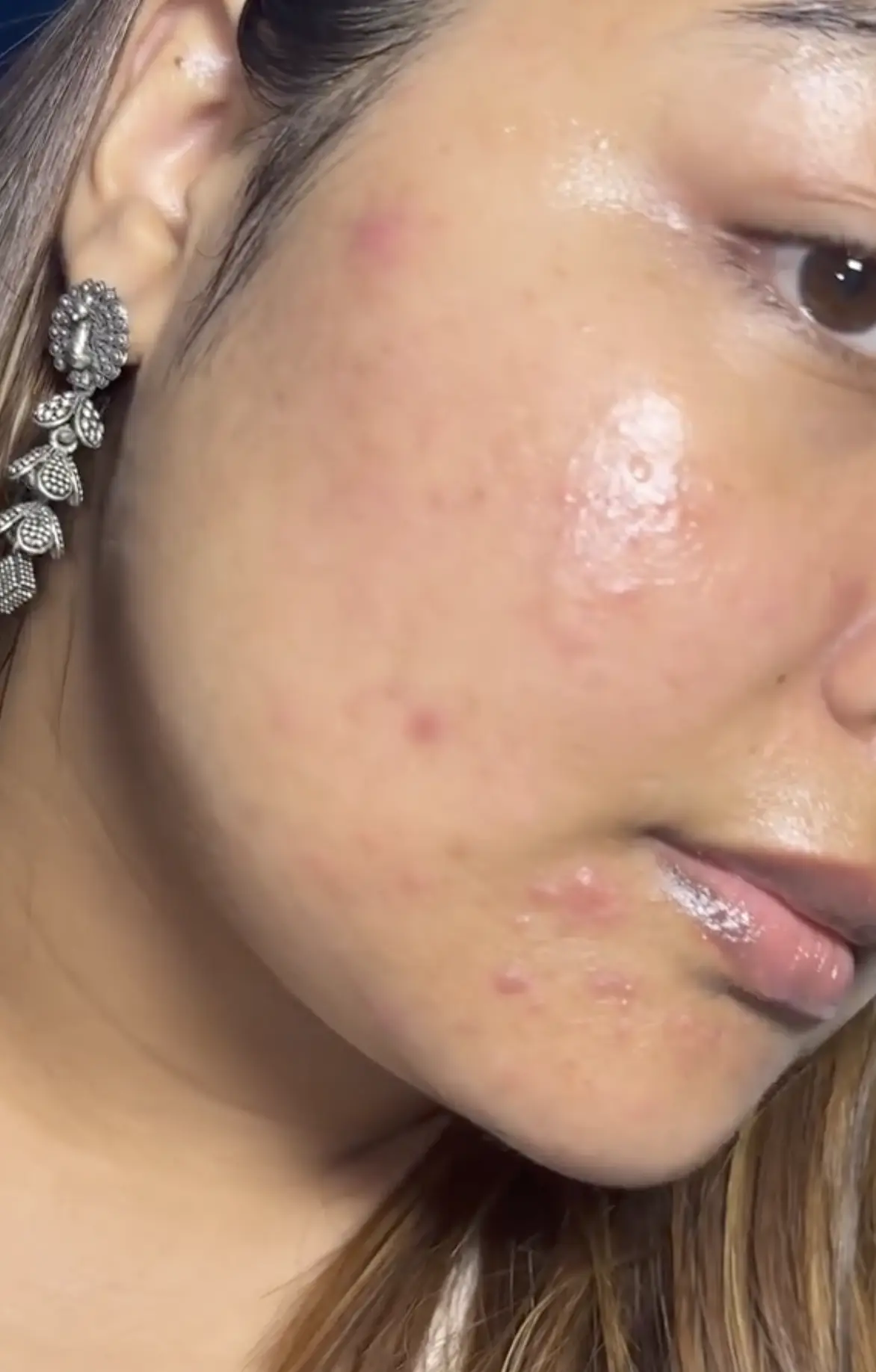
Why Breakouts Respond Best to a Holistic Approach
Hormonal acne is not just about your skin – you’ve got to think about your whole body, and how it’s all connected.
Stress & Sleep
If you’re not getting enough sleep, your cortisol levels are going to go up – and that means you’re going to be producing more oil. I’ve lost count of how many clients have seen a real difference in their skin just by getting their bedtime routines sorted out.
Diet & Gut Health
Some people really notice a difference when they cut out dairy or pay attention to how they feel when they eat certain foods – and it can really make a difference in reducing inflammation. Others find that drinking more green tea or adding some targeted supplements to their daily routine helps a lot.
Hormonal Influences
There are some cases where hormonal imbalances are going to need a bit more help – like if you’re dealing with polycystic ovarian syndrome, or if you’re going through changes brought on by the pill or just changes in your hormone levels. Some clients find that medication like anti-androgen drugs or cyproterone acetate is what they need to really get on top of things.
When Over-The-Counter Isn’t Enough
Dealing with breakouts – especially the bad kind that’s cystic acne – usually needs more than just following a skincare routine at home.
At The Facial Hub in Brisbane, we lend a helping hand with:
- Super gentle chemical peels to smooth things out.
- LED and light therapy to tackle the trouble from the inside out.
- Help with sticking to your skincare routine until you get back to the dermatologist.
- Advice on prescription options like orals – antibiotics, hormones or antibiotic treatments – because we know they can be a bit of a hassle.
- And if you’re dealing with acne scarring, we might recommend some more heavy-hitting treatments like Fractional laser resurfacing, dermal grafting or photodynamic therapies.
We also walk clients through strong medications or oral meds that they might need to take via telehealth, especially when they’re worried about side effects like dryness, sensitivity or tummy issues.
A Gentle Closing Reflection
Hormonal acne is complicated, but don’t let that scare you off. With a bit of patience, some TLC from a good skincare routine, and the right treatments – from some decent OTC options to some more soothing in-clinic options at The Facial Hub – your skin can get better.
If you’re feeling stuck, don’t worry, just pop in to The Facial Hub, and we’ll work out a plan that suits you, your hormones, your lifestyle and your skin habits perfectly. And if you want to treat yourself to some relaxation, try a relaxing facial at The Facial Hub; they are a game-changer for stressed-out skin.
FAQ
How long does it take for OTC products to improve hormonal acne?
About 8 to 12 weeks in most cases. Hormones have their own rhythm, so progress is never going to be super fast.
Can I use salicylic acid and topical retinoids together?
Yes, you can do this, but don’t try to do them both on the same night when you’re just starting—alternatives to avoid getting irritated.
Does the contraceptive pill help hormonal acne?
For some people, yes. The pill can help regulate hormone levels. But for others, it might actually make things worse.
Is tea tree oil good for hormonal acne?
It can be a good spot-treater to help reduce inflammation, but be careful not to use too much, or it might irritate your skin.
Still getting cystic acne even with good skincare?
Don’t panic, and don’t give up. Sometimes you just need a bit of extra help – that might mean anti-androgen meds, hormone treatments, antibiotic treatments or some of the more targeted therapies like photodynamic therapies.